Iran War and Dubai Property Market: Short-Term Shock or Long-Term Opportunity?
Table of Contents
Introduction to Iran War and Dubai Property Market: Short-Term Shock or Long-Term Opportunity?
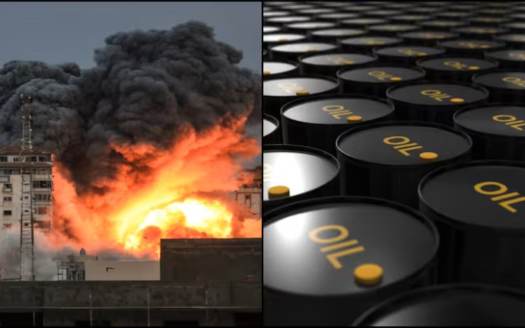
The ongoing tension between Iran and the U.S. has unsettled global financial markets, especially in the Middle East, where economic effects have spread widely. Real estate is one area to pay close attention to, particularly in Dubai.
Dubai has drawn international investors for years thanks to low taxes, solid rental returns, and excellent infrastructure. The conflict now raises doubts about how the war might affect the Dubai property market, and the impact of the Iran war, whether it causes a temporary drop or changes long-term investment choices.
Investors, developers, and buyers making major property decisions need to understand current conditions in Dubai’s housing market right now. (This includes assessing risks from regional instability.)
Dubai Property Market 2026: Before the Iran Conflict
Not long ago, Dubai’s housing market hit a high point. With global conflicts still distant, homes climbed sharply in value from 2022 into 2025. Sales activity surged like never before during that stretch.
Among the figures tracked were:
- Record property transactions in 2025
- Rising residential prices across major communities
- High rental yields attracting global investors
- Strong demand for off-plan developments
Dubai attracted buyers from over 180 nationalities, which resulted in the market being highly diversified and resilient.
These developments made the city a top contender among the fastest-growing property markets across the world.
Immediate Market Reaction to the Iran War
Fear spread through trading floors as tensions grew in 2026’s opening months. With hesitation setting in, buyers pulled back – Dubai property values dropped fast because of it.
A sudden slide hit Dubai’s property stocks, shedding nearly one-fifth of their value in just days. Earlier gains, built slowly through the year, vanished fast under sharp selling pressure.
Fears about global tensions stirred trading shifts across local exchanges. Energy flows felt pressure while commerce pathways faced uncertainty. Investor nerves sparked swings in various corners of the world.
Even with those changes, the housing scene held steady. Deals still went through, showing people weren’t fleeing but instead moving carefully forward.
Property Transactions Continue Despite Uncertainty
Dubai’s property market has kept operating despite the conflict. It seems hard to ignore how much business continued during the crisis.
According to the Dubai Land Department, 3,570 property transactions valued at almost Dh11.93 billion took place in a single week. That number reflects steady investor engagement even while tensions rose.
According to the experts in the real estate industry, the following are occurring:
- Activity is back to normal after experiencing a surge in viewings.
- Slightly better negotiating opportunities exist when negotiating with buyers.
- Long-term investors are still purchasing properties.
Overall, these developments indicate that the real estate market is currently undergoing a temporary slowdown, rather than a collapse.
Why Global Investors Still Trust Dubai Real Estate Market?
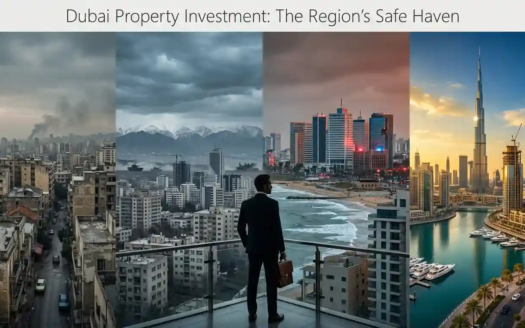
Dubai’s real estate market has traditionally been able to withstand international disruptions in the economy. Global investors are still positively attracted to Dubai now for a number of reasons.
1. Solid Economic Fundamentals
The UAE has a strong and diverse economy that is primarily driven by tourism, finance, technology, and logistics. As a result, it is less reliant on oil revenue, thereby creating a more stable environment for investment.
2. Investor-Friendly Policies
To attract international investment, Dubai has implemented the following:
- No taxation on the rental income of property
- Long-term residency visa available to people purchasing property
- Simplified property regulations
All of which generate high levels of investor confidence.
3. Global Lifestyle Appeal
Business people and people wishing to purchase decent living space will see Dubai as one of the top cities in the world, based not only on the quality of infrastructure and security, but also on the ability to connect with other parts of the world.
Short-Term Risks for the Dubai Property Market
Even if things look good down the line, tensions from the Iran conflict might shake up Dubai’s real estate scene in the near term. Still, the bigger picture holds steady despite these jolts.
Investor Caution
When world tensions rise, investors tend to hold back. Waiting becomes common among overseas buyers while uncertainty lasts.
Real Estate Stocks Fluctuate
Falling values hit property developers’ shares when doubt crept into investors’ minds.
Oversupply Concerns
Analysts believe that the Dubai real estate market may experience an influx of between 300,000 and 400,000 new residential units by 2028, creating significant supply pressure if demand slows.
Continued geopolitical tensions will likely lead to a combination of new supply and lower investment, resulting in diminished price appreciation.
Opportunities Emerging in the Market
During times of uncertainty in the economy due to geopolitical factors, there may be opportunities for investors.
Negotiate Lower Price Opportunities
During periods of economic uncertainty, there may be greater opportunities for buyers to negotiate lower prices with sellers.
Growing Demand for Rental Properties
Ongoing population growth in Dubai, driven by expatriates and professionals moving to the city, contributes to strong rental demand.
Invest Long Term Strategically
Historically, investors who entered into markets during times of economic uncertainty have realised benefits when stability returned to the market and the economy.
UAE Property Trends 2026
The UAE property market is forecast to see several shifts going into 2026
Luxury Real Estate Growth
Dubai’s attractiveness to the ultra-high-net-worth buyer continues, evident by the high number of luxury villa sales as well as the number of branded residences purchased.
Increased Off-Plan Investment
Off-plan properties continue to be a popular choice due to flexible payment methods and lower entry prices.
Technology & Smart Communities
The focus of developers on smart home technology, building sustainability, and integrated communities will further entice global buyers.
Dubai Real Estate Outlook for the Next Five Years
The geopolitical climate is crucial to understanding the outlook for Dubai’s property market.
Scenario 1: Short-Term Conflict
Should the conflict be resolved in the short term (within a few months), then most likely a quick rebound of the Dubai property market via high demand from buyers/investors due to good economic conditions.
Scenario 2: Ongoing Regional Tension
Should tensions continue indefinitely, this will result in reduced investor confidence, resulting in much lower levels of growth and possibly moderate to significant price correction.
However, due to global investment interest in Dubai and a well-developed regulatory environment, any potential crash of Dubai’s real estate market will be minimal at best.
Conclusion for Iran War and Dubai Property Market: Short-Term Shock or Long-Term Opportunity?
Impact of the Iran War on the Dubai Property Market:
War with Iran Could Temporarily Impact Rates; However, Dubai Property Market fundamentals remain strong. With continued interest from foreign investors and stable economic policies in the UAE, the outlook for the Dubai property market remains optimistic despite short-term geopolitical risks. Dubai is expected to remain one of the major cities for international investors looking to invest in property throughout 2026 as a result of changing Property Trends in the UAE.