How Rising Oil Prices from the Iran–US War Affect Dubai and Middle East Property Markets
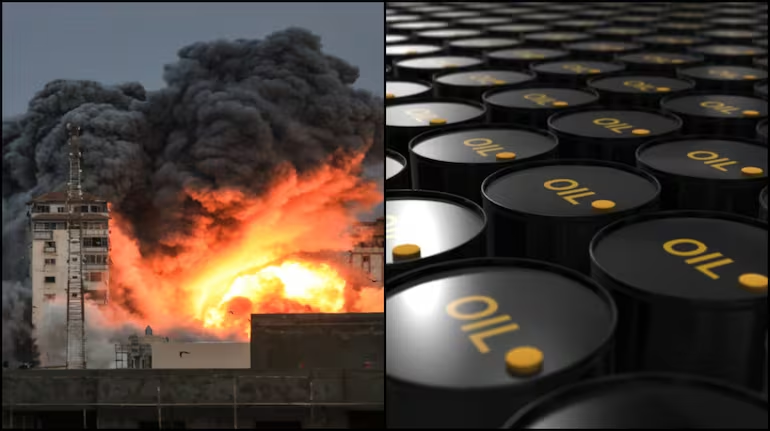
Introduction of How Rising Oil Prices from the Iran–US War Affect Dubai and Middle East Property Markets
Oil costs jump fast when world troubles grow, especially now with friction between Iran and America. That spike hits hard because so much crude flows from the Middle East. When fuel gets pricier, everything shifts – buildings included.
Fuel costs shaping property trends matter deeply to builders, planners, and governments. When energy gets pricier, building supplies grow heavier on wallets, moving goods slows down, and budgets tighten. Confidence among those putting money into projects can shift quickly under such pressure. So it goes – Middle Eastern homes might see bright spots just as much as tough turns ahead.
This piece looks at higher oil costs, sparked by tensions between Iran and the US, shaping Dubai’s housing scene along with wider regional property trends.
The Link Between Oil Prices and Real Estate
Energy prices and property markets throughout the Gulf region have a strong correlation and connection to one another. Oil revenue leads to funding new and improved infrastructure for many Middle Eastern economies, plus it is utilized to support the governments through governmental expenditures (governmental expenditures), in addition, it funds large-scale developments (housing and commercial) throughout the region.
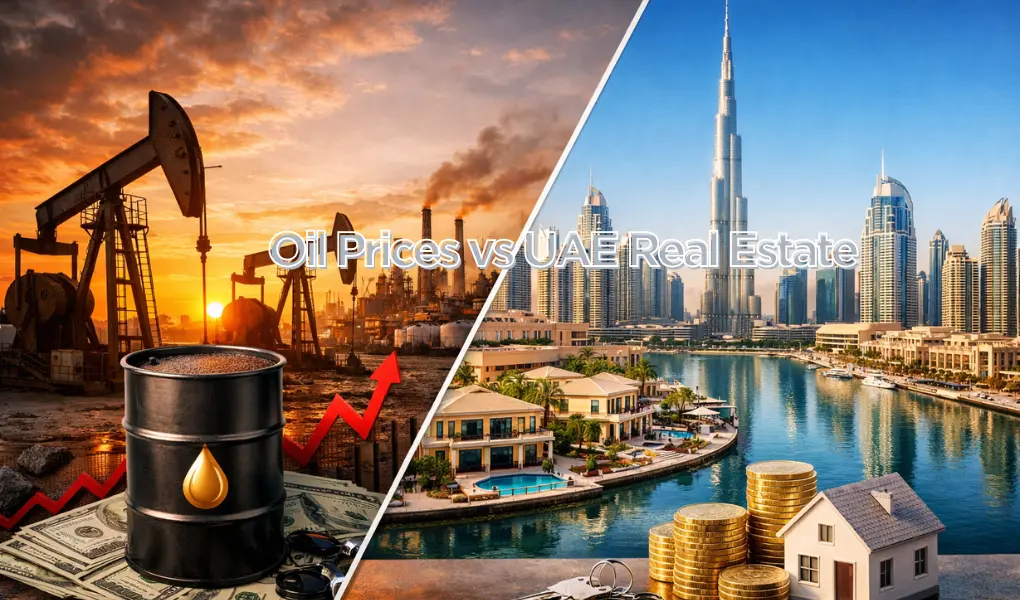
When oil prices rise:
- Governments have more revenue to invest in infrastructure and housing
- Economic activity increases
- Employment opportunities expand
- Demand for residential and commercial properties rises
In several instances, property values climb in big cities like Dubai, Riyadh, and Doha. Oil income often boosts construction and pushes up housing needs.
But energy price hikes may cause inflation too, raising the cost to build new homes. (These shifts can affect how much people spend on living spaces.)
Rising Construction Costs in the UAE
One of the most direct consequences of higher oil prices is the increase in construction costs that UAE developers face.
Construction projects depend largely on energy and transportation. As oil prices increase:
- Costs of steel production increase
- Costs of cement production increase
- Shipping and transportation costs rise
- Construction equipment and machinery operations become more expensive
Ongoing geopolitical instability in the Gulf region has impacted supply chains; however, the recent increase in insurance costs associated with shipping through the Gulf has further intensified these pressures on developers.
These factors may cause developers to experience decreased profit margins as well as delayed project completions.
Impact on Property Prices in Dubai
Oil prices shift how Dubai’s housing scene moves. Thanks to its worldwide links, outside pressures often seep into local deals – sometimes quietly, sometimes fast. What happens on the global stage shows up in building values here, even if it seems far away at first.
1. Rising Property Prices
As the economies of the Gulf are often characterized by higher liquidity due to sustained high oil prices, increased government investment in infrastructure projects, and economic diversification will generally spur demand for residential property.
The following are likely to occur in Dubai as a result of this increase in demand:
- Higher property prices in premium areas
- Increased demand for luxury properties
- Growth in commercial real estate
Locations like Downtown Dubai, Dubai Marina, and Palm Jumeirah are usually the biggest winners when investor interest spikes.
2. Higher Rental Demand
High oil prices could be a boost for the Gulf’s economy. When companies grow, and new people come to the region, there is generally a higher demand for rentals.
Landlords, this could indicate:
- Higher rental yields
- Increased occupancy rates
- Stronger demand for residential apartments
Historically, during periods of high oil prices, this has added strength to the housing market in the Middle East.
Inflation and Mortgage Rate Pressures
Inflation is often caused by rising oil prices, which can provide a boost to the economy, but this increase in oil prices is usually what leads to higher inflation as well.
The cost of energy impacts almost every part of the economy; when oil prices increase, transportation costs increase, manufacturing costs increase, and everyday expenses increase.
Inflation will have many impacts on real estate:
- Higher mortgage interest rates
- Reduced purchasing power for buyers
- Slower property transactions
If inflation spikes sharply, banks often raise interest rates to slow price increases. With rates going up, people might find it harder to afford homes.
Investor Confidence and Market Volatility
Investor morale is impacted by geopolitical conflict, in addition to the effect on oil prices.
Gulf regional stock markets have had some volatility while the conflict is occurring. Many have also been down since the onset of uncertainty related to the conflict.
The real estate sector can experience an indefinite lag time before an event. Therefore, investors may be inclined to delay a large purchase of residential or commercial property while they evaluate the situation or wait until the political environment stabilizes before they act.
For the developer and/or investor, the uncertainty can lead to:
- Slower property transactions
- Delays in project launches
- Greater caution among foreign investors
Opportunities in the Middle East Housing Market
Despite rising costs and geopolitical risks, the Middle East housing market still presents strong opportunities.
Investment in Infrastructure
The high oil revenues that many Middle Eastern governments are generating provide them with the ability to fund major infrastructure projects, such as:
- Smart cities.
- Transportation systems.
- Tourism infrastructure.
As local communities develop and create job opportunities due to these projects, there will be an increased demand for housing.
Population Growth
Expatriates, entrepreneurs, and investors from across the globe continue to move to the Gulf region.
The rapid growth of the population creates an increased need for:
- Residential apartments.
- Luxury villas.
- Rental apartments.
Strategic Investment Opportunities
For property investors, market uncertainty can also create opportunities to purchase properties at discounted prices before the next growth cycle.
Long-Term Outlook for Middle East Real Estate
The prospects of real estate development in the Middle East in the long term are heavily dependent on energy prices.
If oil prices remain high for an extended time, this will have a positive impact on Gulf economies, leading to:
- More government spending.
- Better job markets
- Increased demand for housing
However, should geopolitical tensions between countries continue to rise, disruptions to the world’s supply chains and global economic activity will create challenges for development projects.
The real determining factor will be how long the unrest lasts and how long global energy prices remain high.
Conclusion for How Rising Oil Prices from the Iran–US War Affect Dubai and Middle East Property Markets
The Iran-US conflict has caused oil prices to spike, leading to changes in property values across the Gulf. Higher oil prices affect real estate by pushing up government budgets, raising building expenses, feeding inflation, and lowering investor trust.
Energy cost increases can stimulate housing demand and economic growth, yet they also raise construction costs in the UAE and can drive inflation across the region.
Investors and builders need to know how oil prices influence real estate when assessing the Middle East housing market. Even with short-term price swings, Dubai and other Gulf cities still offer strong long-term returns because of solid infrastructure, steady population growth, and ongoing foreign investment.