Types of Land Use in Rural Settlements
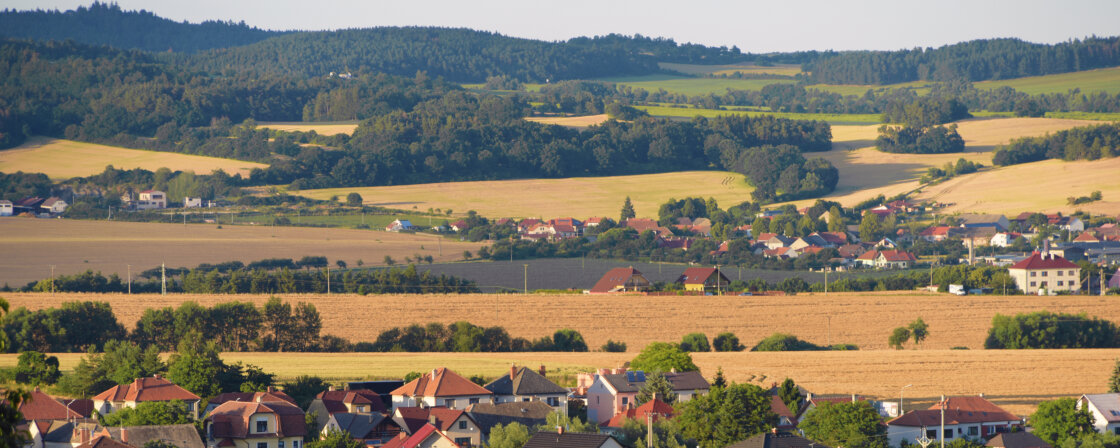
Rural settlements are the mainstay of a country’s agricultural and cultural economy. One of the ways to understand the type of land use in rural settlements is by recognizing that planners, investors, students, and policy makers are the ones who benefit the most when they make informed decisions about development, sustainability, and resource management. Unlike urban areas, rural land use is traditionally associated with farming, nature, and traditional human activities.
This article looks at the different land use types in rural areas, their functions, and their role in rural development.
1. Agricultural Land Use in Rural Settlements
The use of agricultural land is the main type of land use in rural settlements. It is the core of food production and rural livelihood.
Some of the features include :
- Growing crops (Both food and cash crops)
- Farming activities follow the seasons.
- Both rani, fed, and irrigation method uses
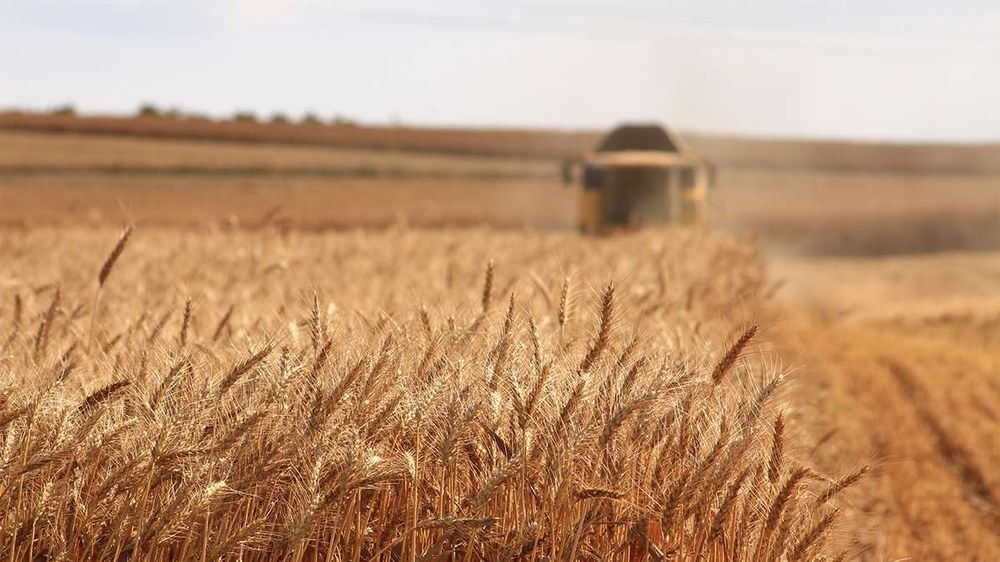
Different kinds of agricultural land :
- Arable land: The land used for planting crops like wheat, rice, and maize.
- Plantation land: Tea, coffee, sugarcane, rubber.
- Horticulture Land: fruits, vegetables, flowers.
2. Residential Land Use in Rural Areas
Residential land use points to the regions or areas where people dwell. It may therefore indicate houses, huts, and farmsteads in the rural settlements.
Some features are :
- Low density of populations
- Homes with farmlands around them
- Use of old-fashioned materials such as mud, wood, and tiles
Residential quarters of the village are generally located close to community centres or can be found as scattered farmhouses.
3. Pastoral and Grazing Land Use
Pastoral land use is the main support for livestock rearing, which is one of the most important activities economically in the rural areas.
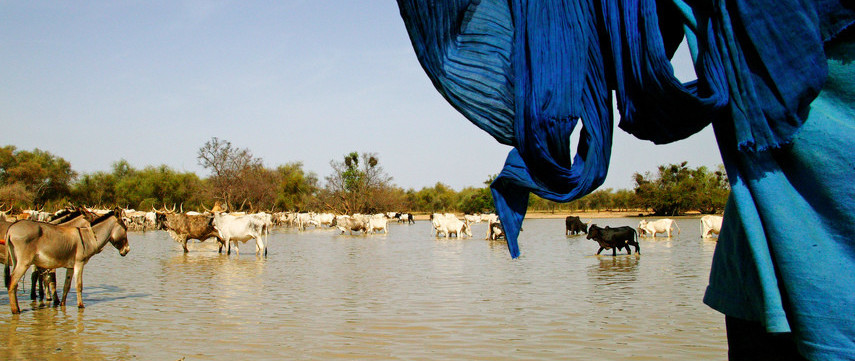
Main uses :
- Grazing area for cattle, sheep, and goats.
- Area of dairy production
- Land for growing fodder.
This kind of land use is particularly common in dry and semi-arid regions.
4. Forest Land Use in Rural Settlements
Forests give life first of all to the country people and secondly to the environment as a whole.
Uses include :
- Collection of firewood.
- Minor forest produce (Honey, Herbs, and Bamboo)
- Timber for construction
- Conservation and biodiversity protection.
Forests also play a role in nature conservation and biological diversity protection. Besides that, forest areas aid in coming up with a solution to soil erosion and are part of nature.
5. Commercial Land Uses in Rural Areas
Though commercial land use in rural settlements is limited when compared to cities, it does exist.
Having a few examples:
- Weekly village market (haats ).
- Small retail shops.
- Strong godowns and warehouses.
6. Industrial Land Use in Rural Settlements
Industry-oriented uses of land in the rural area tend to be small-scale and primarily dependent on local resources.
Includes :
- Home industries
- Handloom and handicraft units
- Food processing units
- Brick kilns and agro industries.
These industries reduce migration by creating local employment opportunities.
7. Transportation and Infrastructure Land Use
Infrastructure plays a vital role in linking rural settlements with urban centers.
Land allocated for :
- Roads and village pathways
- Railways
- Irrigation canals
- Electricity substitutions
Improving infrastructure boosts agricultural productivity and rural development.
8. Institutional and Public Land Use
This kind of land usage primarily contributes to fulfilling social and administrative requirements.
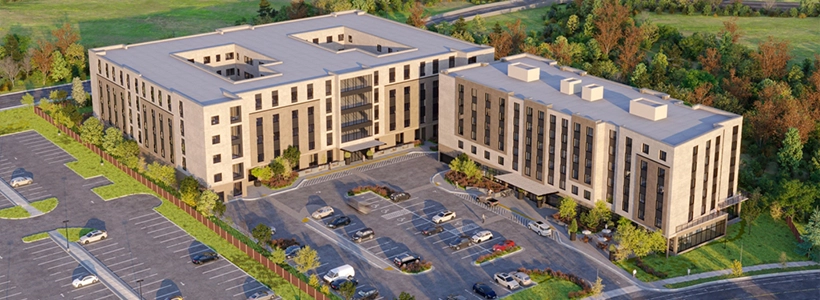
It consists of :
- School and colleges
- Health centers and hospitals
- Panchayat offices
- Community halls and temples
Public land use is definitely one of the factors that improve the quality of life in rural settlements.
9. Recreational and Cultural Land Use
Rural areas also reserve land for social and cultural activities.
Examples:
- Playgrounds
- Village commons
- Fairgrounds
- Religious and cultural spaces
These spaces preserve traditions and strengthen community bonds.
Importance of Land Use Planning in Rural Settlements
Proper land use planning makes sure that :
- The development of rural areas is sustainable
- Natural resources are used efficiently
- There is balanced economic growth.
- Environmental protection is ensured.
By recognizing the different types of land use in rural settlements, it becomes easier to formulate development policies and investment strategies that are more effective.
Conclusion for Types of Land Use in Rural Settlements:
Rural settlements generally have different types of land use that reveal their economic activities, culture, and environment. Such land use in rural areas includes agricultural land, residential areas, forests, and infrastructure, of which one cannot do without the other in rural life. When agricultural land, residential areas, and other utilities are well planned and used sustainably, the whole rural community can become self-dependent and even thrive on its own.